
01 / 07 · Boise install guide
Boise Flooring Types Compared
Six materials, judged on what actually matters in a Treasure Valley house: concrete slabs, dry winter air, kids, pets, and whether the floor can be fixed instead of replaced.
The short version
There's no best floor. There's a best floor for a particular room, sitting on a particular subfloor, in a house that's heated and cooled a particular way. In Boise that last part matters more than people expect, because the air indoors gets very dry through the heating season and wood reacts to it.
So start with three questions. What's under the room (concrete slab or wood framing)? Will the floor see water, from a dishwasher, a mudroom, a dog's bowl? And do you want something that can be sanded and refinished in fifteen years, or something you'll replace when it's worn? Those answers narrow six materials to two or three before color ever comes up.
The six floors at a glance
Pick a panel to read the one-line case for each material. The sections further down go deeper on install method and the mistakes that show up most often.
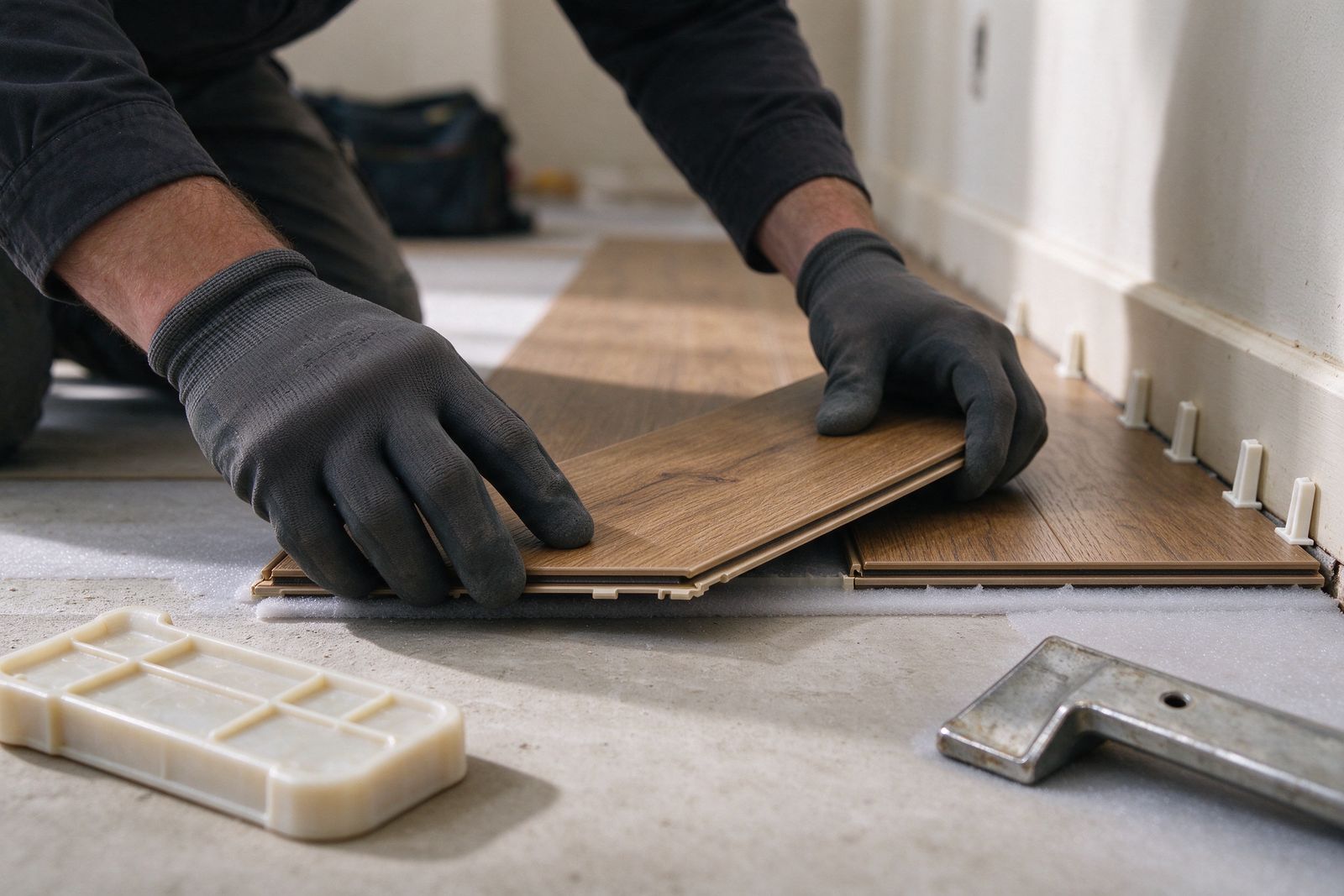
Waterproof core, floats over most subfloors, warm enough underfoot. It demands a flat subfloor.
Read the LVP notes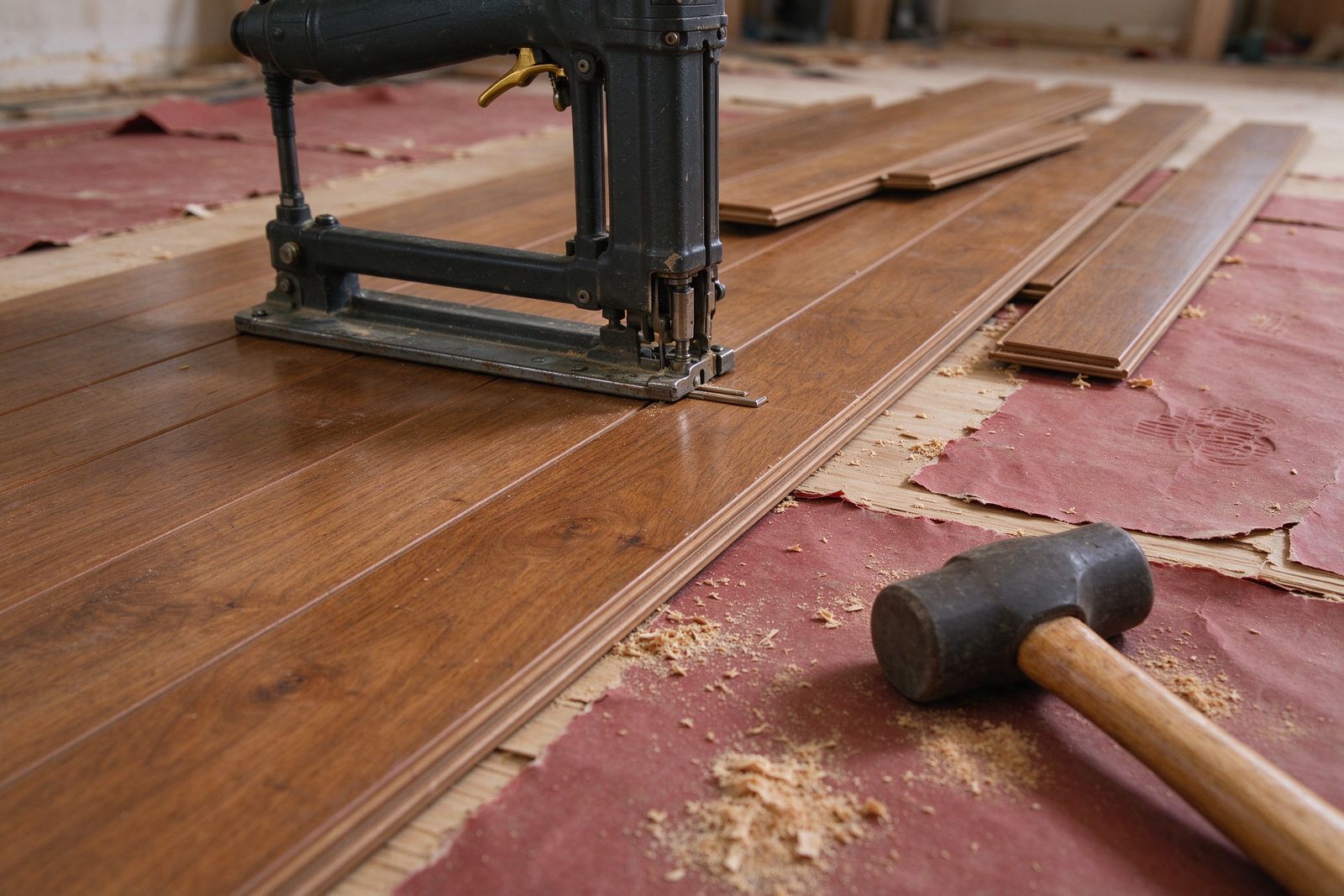
Refinishable for decades. Moves the most with humidity, so it needs careful acclimation here.
Read the wood notes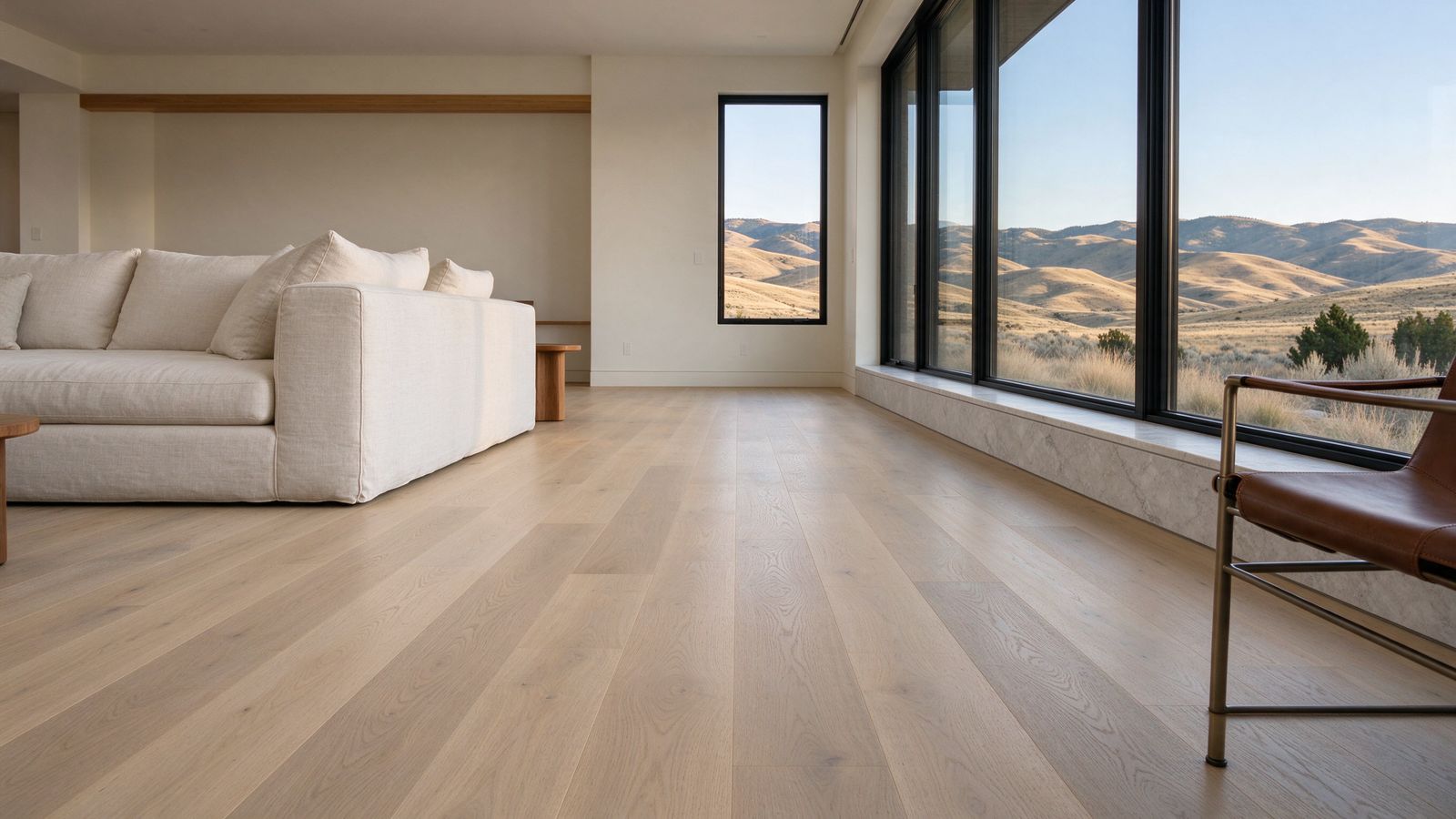
Real wood face on a stable layered core. The usual answer for wood over a concrete slab.
Read the wood notes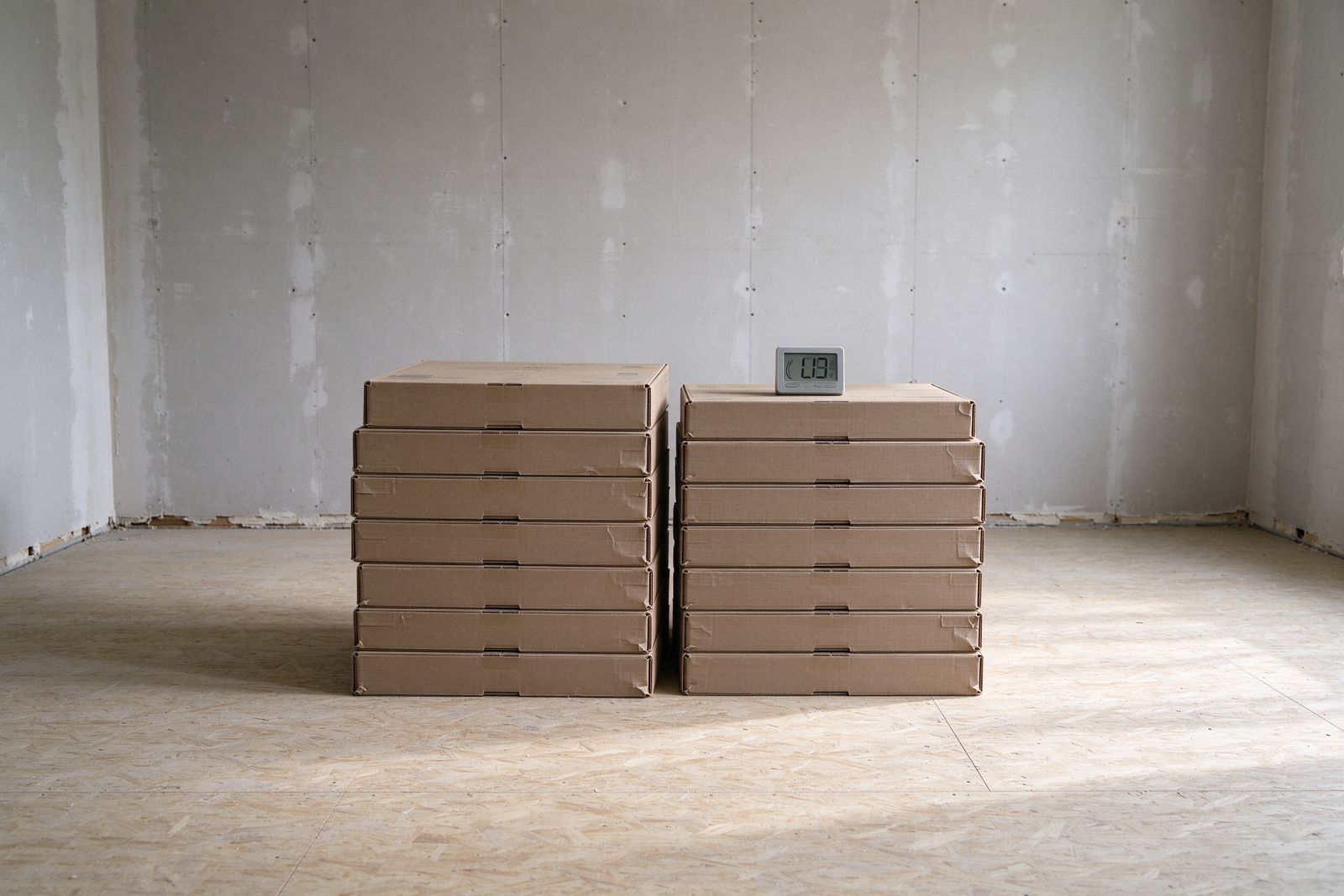
Tough wear surface at a lower material cost. The fiberboard core is the weak point around water.
Read the laminate notes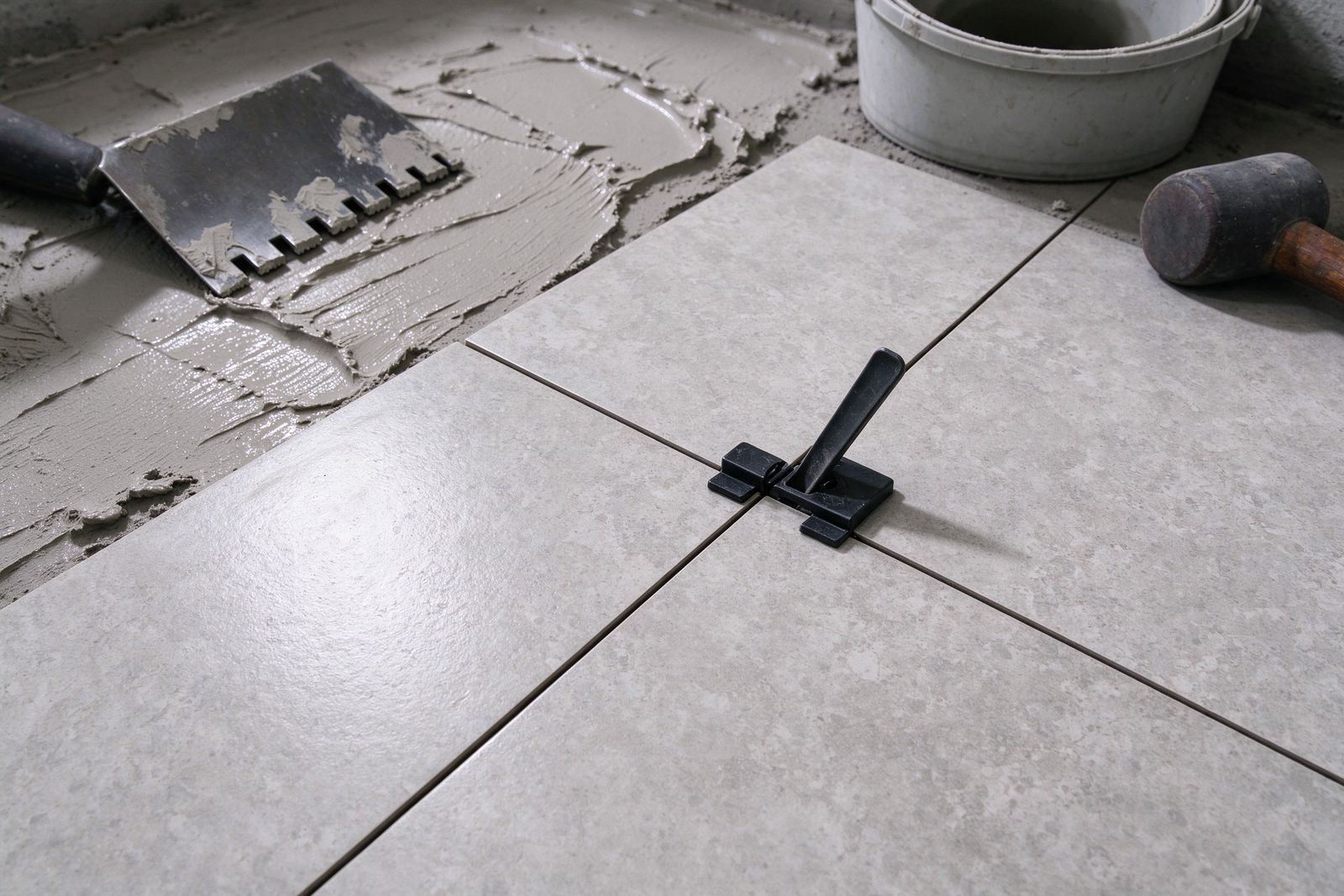
Nothing handles water or wear better. It needs a stiff, flat base and patient setting.
Read the tile notesQuiet and warm for bedrooms and basements. Pad and stretching decide how long it looks right.
Read the carpet notes
Comparison table
Ratings are relative and general (three dots is strongest in the row). Individual products vary a lot, especially in LVP and laminate, so treat this as a starting filter and check the specific product's installation instructions. Tap a criterion to see which materials lead.
| Criterion | LVP | Solid wood | Engineered | Laminate | Tile | Carpet |
|---|---|---|---|---|---|---|
| Water exposure | Strong | Weak | Weak | Varies | Strong | Weak |
| Over a concrete slab | Common | Rarely | Common | Common | Common | Common |
| Stability in dry air | High | Moves most | Better | Fair | High | High |
| Can be refinished | No | Many times | Depends on wear layer | No | Not applicable | No |
| Warmth underfoot | Moderate | Moderate | Moderate | Moderate | Cold | Warmest |
| Forgiving of an uneven subfloor | Least | Somewhat | Somewhat | Somewhat | Least | Most |
Luxury vinyl plank (LVP)
LVP took over the Treasure Valley market for good reasons. The core doesn't swell with water, it doesn't shrink and gap in dry January air the way solid oak does, and it floats over a slab or a wood subfloor without glue. Rigid-core versions (often sold as SPC or WPC) feel more solid underfoot than older flexible vinyl.
The catch is flatness. A click-lock plank bridges small dips, flexes every time someone steps on it, and over months that flexing wears the joint. You hear it first as a click, then you see it as a raised edge. Most manufacturers publish a flatness tolerance, and a good installer will check the floor against it with a long straightedge before quoting. If the quote doesn't mention leveling or patching at all, ask why.
Worth asking
Does the product need its own underlayment, or is one attached? Adding a second pad under a plank that already has one can make the joints too soft and void the warranty.
LVP also needs room to move. Even a stable core expands slightly with temperature, which is why floating floors need a gap at the walls and shouldn't be pinned under heavy cabinets. The installation methods guide explains how floating floors are laid out to avoid that.
Solid and engineered hardwood
Solid hardwood
Solid boards are one piece of wood, usually three quarters of an inch thick, nailed or stapled to a wood subfloor. They can be sanded and refinished many times, which is why a well-kept oak floor outlives several kitchens. They also move the most. Wood gains and loses moisture with the air, and the change between a humid spell and a long run of furnace heat is enough to open gaps between boards.
In a dry climate like Boise's, that movement is manageable but not optional. It's handled with proper acclimation to the home's conditions, by choosing narrower boards (wide solid planks show seasonal gaps more), and in some homes by running a humidifier through winter. Solid wood is not usually installed directly on a concrete slab.
Engineered hardwood
Engineered flooring puts a real hardwood face, the wear layer, over a core of cross-laminated plies or another stable material. Because the layers run in different directions, the board resists swelling and shrinking far better than solid wood. That stability is why engineered is the normal way to get real wood over a concrete slab or in a basement, glued down or floated depending on the product.
The wear layer thickness decides whether it can be refinished, and how many times. A thin face might allow a light screen and recoat only. A thick one can be sanded more than once. Ask for the wear layer measurement in writing when comparing products.
Laminate
Laminate is a photographic layer under a hard, clear wear surface, bonded to a high-density fiberboard core. It resists scratches well, which makes it popular in homes with dogs. It floats over an underlayment and handles a slab fine with the right vapor barrier.
The fiberboard core is the weak point. Standing water that gets into the joints can swell the edges, and swelling doesn't go back down. Many newer laminates are sold as water resistant, with sealed edges, and some are much better than older products. Read what the warranty actually covers (spills wiped up within a set time is very different from a flooded laundry room). Laminate can't be refinished; a damaged board gets replaced.
Tile
Porcelain and ceramic tile are about as durable as residential flooring gets, completely unbothered by water and dry air. Tile is set in thinset mortar over a base that must be both flat and stiff. A floor that flexes, even slightly, cracks grout lines and eventually tiles. Over a wood subfloor that usually means checking joist span and adding a cement board or an uncoupling membrane.
Large-format tile (pieces 15 inches or longer on any side) has become common, and it raises the bar for prep. Long tiles show lippage, a lip where one edge sits higher than its neighbor, and they need fuller mortar coverage. Leveling clip systems help, but they don't fix a subfloor that wasn't flat to begin with. Tile is cold underfoot, which is why some homeowners pair it with in-floor heat in bathrooms.
Carpet
Carpet is still the quiet, warm choice for bedrooms, basements and stairs where people want softness. It's also the most forgiving of an imperfect subfloor. The install is different from everything else here: tack strip around the perimeter, a pad underneath, and the carpet stretched tight across the room with a power stretcher so it doesn't ripple later.
Two things decide how carpet ages. Pad density and thickness (too soft and the backing breaks down sooner), and seam placement. Ask where the seams will fall before the install, especially in a room with strong window light, which shows seams more. Carpet on stairs is its own job; the stairs and transitions guide covers it.
Room by room in a Treasure Valley home
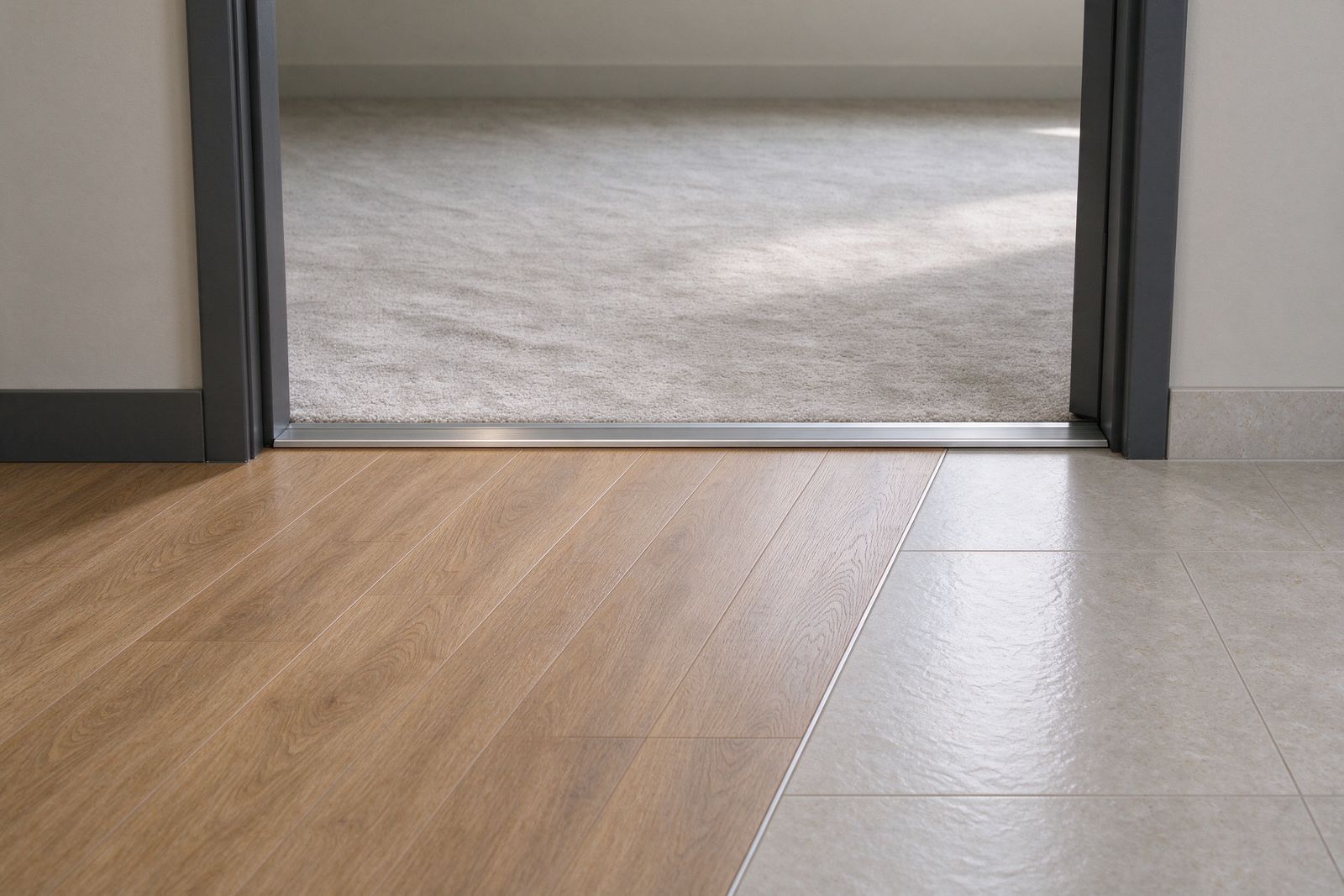
A lot of homes end up with two or three materials, which is fine as long as the transitions are planned. Here's how the choices usually sort out, with the caveat that your subfloor and household matter more than any rule of thumb.
- Kitchens and main living areas: LVP, engineered wood, or solid wood over a wood subfloor. Plan the island and cabinet sequence before you pick a floating floor.
- Bathrooms and laundry: tile first, LVP second. Avoid laminate and solid wood where water stands.
- Basements on a slab: LVP, engineered wood rated for below grade, tile, or carpet over a suitable pad. Test the slab for moisture first; the moisture testing guide shows how.
- Bedrooms: carpet for warmth and sound, or the same hard floor as the hallway for continuity.
- Entries and mudrooms: tile or LVP, plus a decent mat. Gravel and grit tracked in from a dry yard scratch everything.
Narrowed it down?Put the material and rooms in the quote form. "Not sure yet" is a valid answer too.
Request an install quoteQuestions
Flooring type questions
Is LVP waterproof?
The core of most LVP is not damaged by water, but water can still get through the seams and sit on the subfloor underneath. A spill wiped up quickly is fine. Flooding is a different story for any floating floor.
Can hardwood go over a concrete slab in Boise?
Solid hardwood usually isn't installed directly on a slab. Engineered hardwood is the common choice there, glued or floated per the manufacturer, after the slab passes a moisture test.
Which floor handles a dry climate best?
LVP, tile and carpet barely react to humidity. Engineered wood moves less than solid wood. Solid wood can work well, but needs proper acclimation and sometimes winter humidification.
Does the same floor need to run through the whole house?
No. Mixing materials is common. What matters is planning the transitions so heights line up and nothing becomes a trip edge.
Next step
Know the material, not the price?
That is exactly the right moment to ask for a quote. Send the rooms and the floor you are leaning toward, and include anything you are unsure about.
Open the quote form