
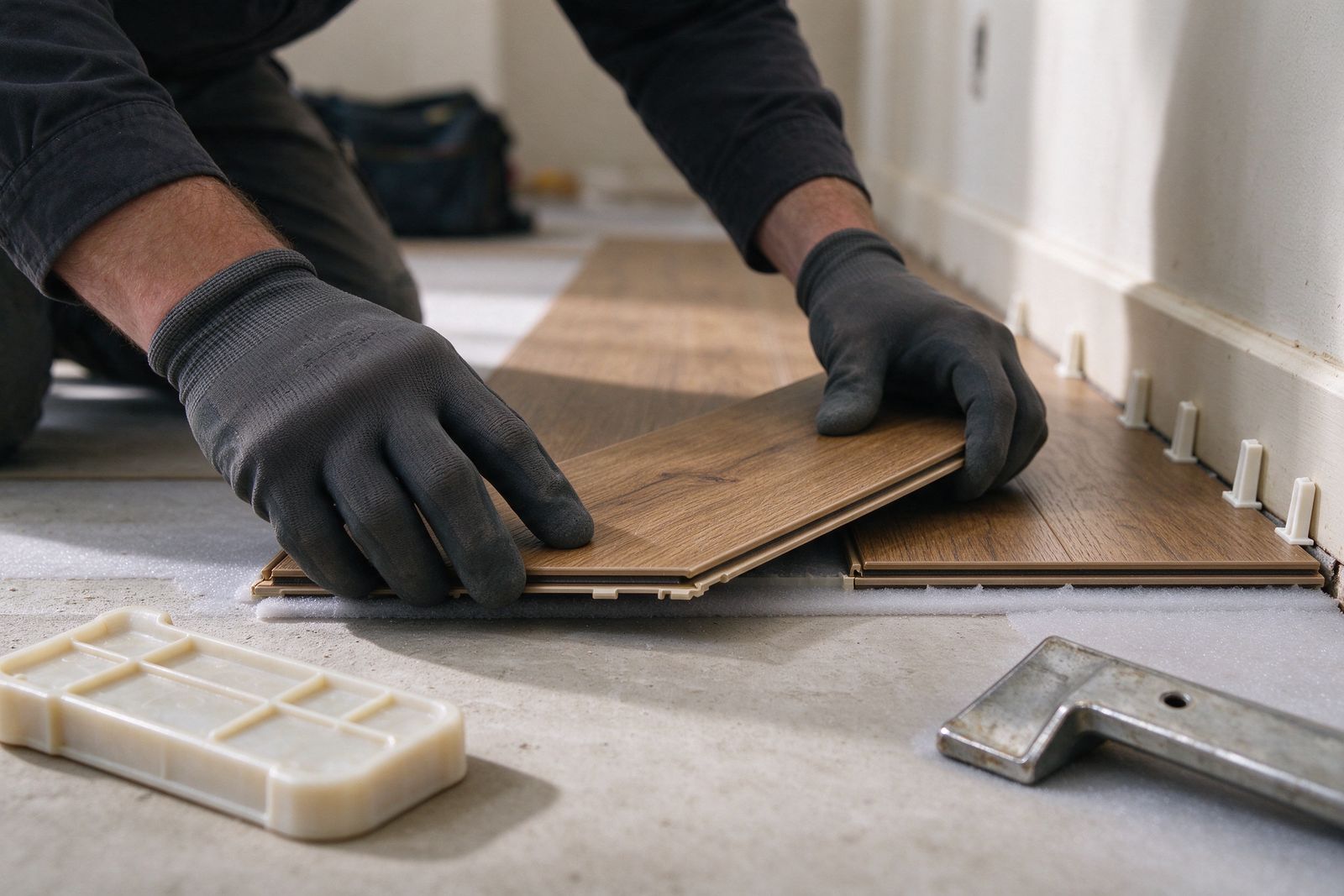
06 / 07 · Boise install guide
Boise Flooring Removal and Install Timeline
Tear-out, hauling and the order of a flooring project from first measurement to final trim. What takes longer than people expect, and what to get done before the crew arrives.
The order of a project
Flooring projects follow a fairly fixed sequence. The work days in the middle get the attention, but the waiting on either side (for materials, for wood to settle, for a leveler or an adhesive to cure) often sets the calendar. Scroll through the timeline below to see each stage in order.
Project timeline
From measure to final trim
Seven stages, in the order they usually happen. Some overlap; acclimation often runs while the old floor comes out.
- 01
Measure
Rooms measured, subfloor looked at, quote written.
- 02
Order
Material, underlayment, trim and stair parts ordered.
- 03
Tear out
Old floor removed and hauled away.
- 04
Prep
Flatten, fasten, test moisture.
- 05
Settle
Flooring acclimates in the rooms.
- 06
Install
Field floor, then stairs and doorways.
- 07
Finish
Trim, transitions, cure time, furniture back.
Tear-out by material
Removal is often priced separately, and the material coming up changes the effort more than the square footage does.
- Carpet and pad come up quickly. The tack strip and thousands of pad staples take longer than the carpet itself.
- Floating floors (laminate, click LVP, floated engineered) unclick or pull up fast.
- Nailed hardwood comes up board by board, then every fastener is pulled or set.
- Glued floors are slow. The flooring comes up, then the adhesive left behind has to be scraped or ground until the subfloor is clean enough for the new product.
- Tile is the heaviest work: tile and mortar are broken out, often with powered chipping tools, and it's loud and dusty. Tile over a wood subfloor can mean replacing the cement board or the subfloor underneath.
Old layers stacked on top of each other (vinyl over vinyl, laminate over carpet pad) aren't unusual in older homes. Each layer adds removal time, and occasionally removing them all reveals subfloor damage nobody knew about. The subfloor prep guide covers what happens next.
Asbestos and lead: test before you tear
Some older resilient flooring, especially vinyl floor tiles and sheet vinyl, and the black adhesive used under some of it, can contain asbestos. It's generally considered most hazardous when it's broken, sanded or scraped, which is exactly what removal does. If your home is older and the floor has vinyl or tile you can't date, have a sample tested by an accredited lab before anyone disturbs it. If it tests positive, removal or encapsulation is a job for people trained and equipped for it, under the rules that apply.
Lead is the other concern in older homes. In homes built before 1978, federal rules from the EPA require renovation work that disturbs painted surfaces to follow lead-safe practices when it's done by contractors for pay. Removing painted baseboard and trim to install a new floor can count. Ask whether the contractor is certified for that work if it applies to your home.
Verify, don't assume
Rules for asbestos and lead change and differ by situation. Check current guidance from the EPA and the State of Idaho before work starts, and keep any test results with your project paperwork.
Disposal
Old flooring is bulky and heavy. A whole-house tear-out can fill a pickup more than once, and tile and mortar weigh far more than they look. Many installers include haul-away; others leave it to the homeowner or charge it separately. Ask which, in writing.
If you're handling it yourself, Ada County and Canyon County each operate their own solid waste facilities, with their own rules about accepted materials, load covering and fees. Check with the county where you live before you load up. Carpet and pad recycling options exist in some areas but aren't available everywhere, so ask before assuming. Materials that tested positive for asbestos follow separate disposal rules and should never go out with regular construction debris.
What actually sets the timeline
| Driver | Why it adds time |
|---|---|
| Material lead time | Stocked products can arrive quickly; special orders, stair parts and matching trims can take longer |
| Removal | Glued floors and tile take far longer than carpet or floating floors |
| Subfloor repairs | Leveler and patch need cure time before the floor goes down |
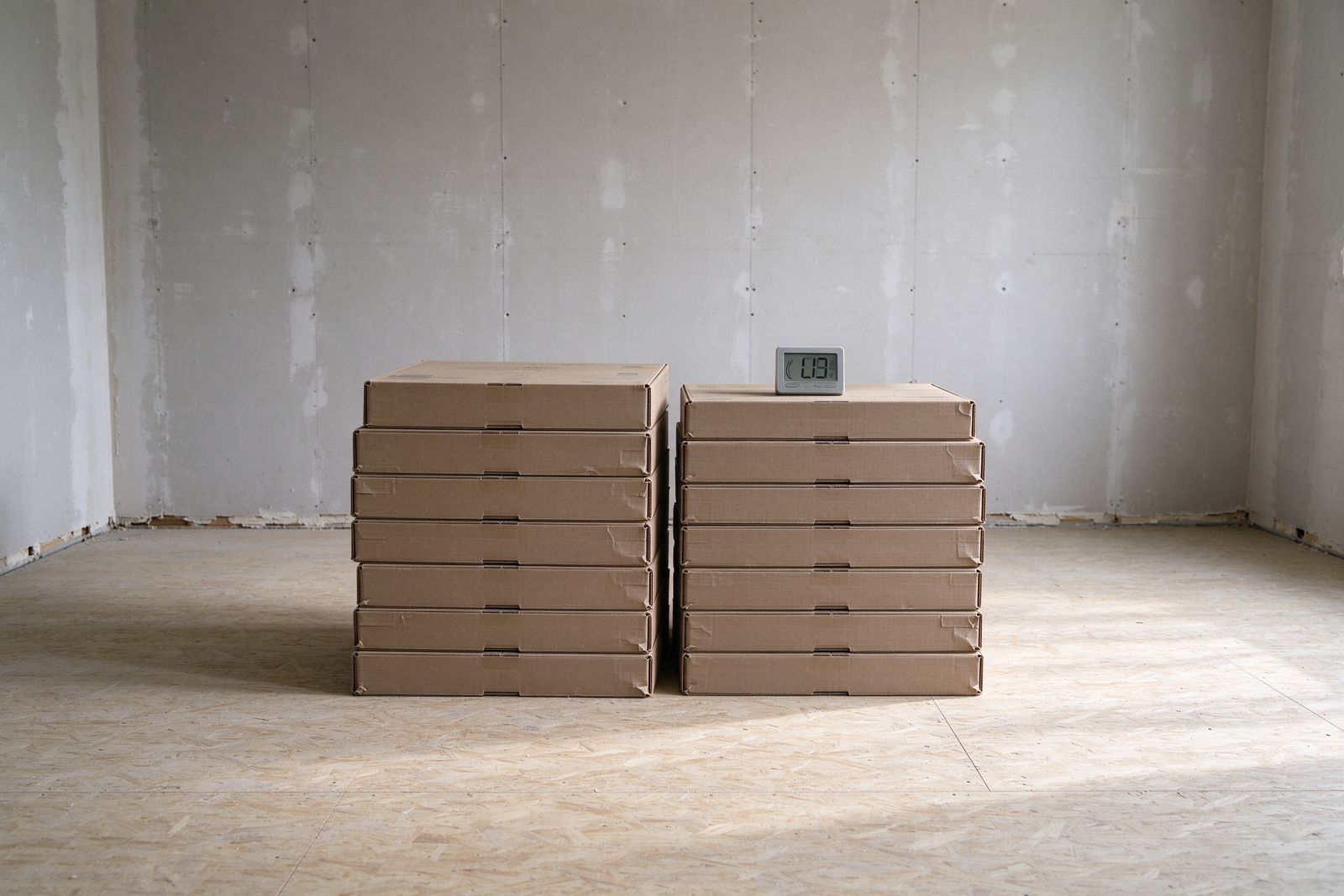
| Acclimation | Wood waits until moisture readings settle |
| Adhesive or mortar cure | Glued floors and tile limit use of rooms for a period afterward |
| Stairs | Each step is fitted individually |
| Other trades | Cabinets, plumbing fixtures and baseboard painting have to fit into the sequence |
The best way to get a realistic schedule is to ask the installer to walk you through it day by day, including the days when nobody's working but the floor still can't be used. That's also how you'll find out if you can stay in the house during the job.
Getting the house ready
Before tear-out day
Tick what's handledDoors may need trimming if the new floor is thicker than the old one, and baseboards often come off and go back on (or get replaced). Both are worth confirming up front, along with whether painting the trim afterward is part of anyone's scope.
Need removal included?The quote form asks what's on the floor now, so removal can be priced with the install.
Request an install quoteQuestions
Removal and timeline questions
Can new flooring go over the old floor?
Sometimes. Some floating floors can go over a flat, well-bonded existing hard floor if the manufacturer allows it. Carpet never stays under a new hard floor, and stacking layers raises the floor height at doors and stairs.
Do I need to leave the house during installation?
Not always. Tile removal, adhesive grinding and finishing site-finished wood can make parts of the house hard to use. Ask the installer for a day-by-day plan.
Is old vinyl flooring dangerous to remove?
It can be if it contains asbestos, which some older vinyl products and adhesives do. Have it tested by an accredited lab before it is disturbed.
Who takes away the old flooring?
It varies by installer. Many include haul-away, others charge separately or leave it to the homeowner. Confirm it in writing.
Next step
Put your dates on paper
Share your ideal timing, what is coming up, and if you will be living in the house. It shapes the schedule an installer can offer.
Open the quote form